The art of crafting authentic Mexican salsa is a tradition passed down through generations, with each family guarding their secret ratios and techniques like precious heirlooms. At the heart of this vibrant culinary tradition lies the perfect balance between roasted tomatoes and freshly chopped chilies - a dance of smoke and fire that separates truly remarkable salsas from mediocre imitations.
Walking through the mercados of Mexico City or Oaxaca, the air hangs thick with the scent of blistering tomatoes over open flames. This isn't mere theatrics; the charring process transforms the fruit at a molecular level, breaking down cell walls to concentrate flavors while developing complex caramelized notes that raw tomatoes could never achieve. The blackened skins, often removed after roasting, leave behind a subtle smokiness that permeates every bite.
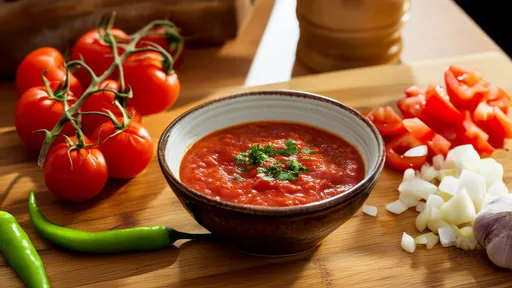
The tomato selection itself is crucial - in Mexico, you'll find cooks insisting on plum tomatoes (jitomate guaje) for their meaty texture and lower water content, which prevents the salsa from becoming watery. These are roasted whole until the skins split and juices begin to caramelize around the edges, a process that typically takes about 15 minutes over medium heat, turned occasionally for even blistering.
Meanwhile, the chili preparation demands equal reverence. Unlike the tomato's slow transformation, chilies require careful monitoring - a few extra seconds on the comal can mean the difference between vibrant heat and bitter ashes. The iconic jalapeño maintains its position as the most recognizable chili for table salsas, though more adventurous cooks might incorporate smoky chipotles or fiery pequins. Each variety speaks with its own voice in the final composition.
What separates authentic Mexican salsas from their Americanized counterparts is the refusal to rely on exact measurements. Instead, cooks develop an instinct for balance - adding chilies one at a time, tasting after each addition until the heat reaches that perfect point where it enhances rather than overwhelms. A general guideline might suggest two large tomatoes to one medium jalapeño, but this shifts dramatically based on the chili's potency and the tomatoes' sweetness.
The texture tells another part of the story. While some prefer their salsa finely pureed, the traditional version keeps elements recognizable - irregular tomato chunks mingling with distinct bits of chili and onion. This rustic approach honors the ingredients' individuality while creating a more dynamic eating experience where each bite offers slightly different proportions.
Regional variations abound across Mexico's diverse culinary landscape. In the Yucatán, habaneros bring fruity intensity balanced by bitter oranges. Michoacán favors the smoky depth of pasilla chilies. Coastal regions might incorporate seafood broth or coconut. Yet all these iterations share that fundamental commitment to the tomato-chili partnership, proving how two simple ingredients can birth infinite complexity.
Modern food science explains what Mexican abuelas knew instinctively - that roasting tomatoes increases their umami compounds while reducing acidity, creating a richer base flavor. The capsaicin in chilies binds with these savory notes, creating a flavor synergy greater than the sum of its parts. This biochemical romance explains why the combination feels so fundamentally satisfying across cultures.
Beyond the ingredients themselves lies the ritual of preparation. There's magic in the rhythmic scrape of the molcajete as ingredients crush against volcanic stone, releasing essential oils no blender could ever coax out. The order of operations matters too - chilies ground first to distribute their heat evenly, followed by garlic to tame its harshness, then tomatoes to cool the mixture down to edible levels.
Seasoning comes last and light - a pinch of salt to elevate rather than dominate, perhaps a whisper of cumin in northern styles, but never the overwhelming spice blends that obscure the central flavors. Lime juice might make an appearance, though purists argue it overpowers the tomatoes' natural acidity developed during roasting.
Serving temperature completes the transformation. Unlike cooked sauces that improve with time, authentic fresh salsas peak within hours of preparation as the ingredients maintain their distinct textures while flavors just begin to marry. Left overnight, the chilies tend to dominate while tomatoes turn soggy - hence the Mexican preference for making salsas in small, frequent batches.
The true test comes at the table, where a perfect salsa should make plain tortilla chips disappear by the handful while still allowing the main dish to shine. It walks that delicate line between attention-grabbing and supportive - vibrant enough to awaken the palate without fatiguing it. This balance explains why Mexican meals often feature multiple salsas, each tailored to complement specific dishes.
As Mexican cuisine gains global recognition, the tomato-chili partnership continues its delicious conquest. Yet for all its simplicity, mastering this fundamental ratio remains a lifelong pursuit for serious cooks. Like jazz musicians working with the same notes, salsa makers find infinite variations within these elemental ingredients, proving that sometimes the most profound flavors come from the humblest beginnings.
Next time you blister tomatoes over an open flame, consider the generations of hands that have performed this same alchemy. That blackened skin contains more than flavor - it carries stories of family gatherings, of recipes whispered from mother to daughter, of entire cultures expressed through fire and fruit. The perfect ratio isn't found in any recipe, but in the memories and instincts of those who keep this delicious tradition alive.

By /Jun 19, 2025

By /Jun 19, 2025

By /Jun 19, 2025

By /Jun 19, 2025
By /Jun 19, 2025

By /Jun 19, 2025

By /Jun 19, 2025
By /Jun 19, 2025
By /Jun 19, 2025
By /Jun 19, 2025
By /Jun 19, 2025

By /Jun 19, 2025
By /Jun 19, 2025

By /Jun 19, 2025
By /Jun 19, 2025
By /Jun 19, 2025

By /Jun 18, 2025

By /Jun 18, 2025

By /Jun 18, 2025
By /Jun 18, 2025
