The art of crafting Korean spicy rice cake bread, or tteokbokki bread, lies in the delicate balance between the softness of the rice cake strips and the harmonious integration of the spicy sauce into the dough. This fusion dish, which marries the chewiness of traditional tteokbokki with the fluffy texture of bread, has gained immense popularity among food enthusiasts seeking a creative twist on classic flavors. Mastering this recipe requires attention to two critical elements: achieving the ideal tenderness in the rice cake strips and perfecting the technique of kneading the spicy sauce into the bread dough.
Rice cake strips, the star ingredient of this dish, must be softened to just the right degree before being incorporated into the bread. Many novice bakers make the mistake of either under-soaking the rice cakes, resulting in an unpleasantly tough texture, or over-soaking them, which causes them to disintegrate during the baking process. The key is to soak the rice cakes in lukewarm water for approximately 30 to 45 minutes, depending on their thickness. This soaking time allows the rice cakes to absorb enough moisture to become pliable without losing their structural integrity. For those using freshly made rice cakes, a shorter soaking time of 15 to 20 minutes may suffice. The goal is to achieve a consistency where the rice cakes are soft enough to blend seamlessly with the bread dough but still retain their characteristic chewiness after baking.
The preparation of the spicy sauce presents another crucial aspect of this culinary creation. Traditional tteokbokki sauce, made with gochujang (Korean chili paste), gochugaru (Korean chili flakes), sugar, and other seasonings, needs to be carefully balanced when adapting it for bread dough. The challenge lies in incorporating enough sauce to deliver that signature spicy-sweet flavor without compromising the dough's ability to rise properly. Experienced bakers recommend reducing the sauce slightly more than usual to concentrate the flavors and minimize additional moisture in the dough. This reduction process not only intensifies the taste but also helps prevent the dough from becoming too wet, which could lead to dense, heavy bread.
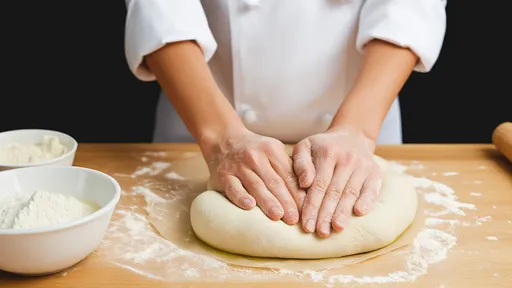
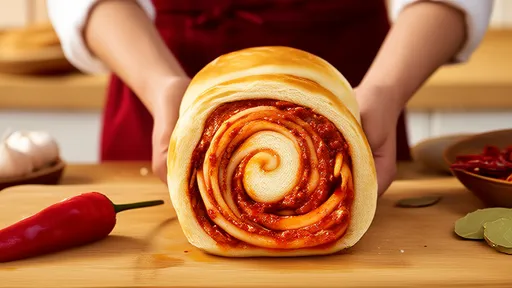
When it comes to kneading the spicy sauce into the dough, technique matters greatly. Unlike traditional bread recipes where ingredients are typically mixed before kneading, this recipe calls for a more gradual approach. After preparing a basic milk bread dough, the reduced spicy sauce should be added in stages during the kneading process. This method allows for better distribution of the sauce while giving the baker control over the dough's consistency. The dough should be kneaded until it reaches the windowpane stage, where it can be stretched thin without tearing, indicating proper gluten development. The vibrant red hue of the sauce will marble beautifully through the pale dough, creating an attractive swirl pattern that promises flavor in every bite.
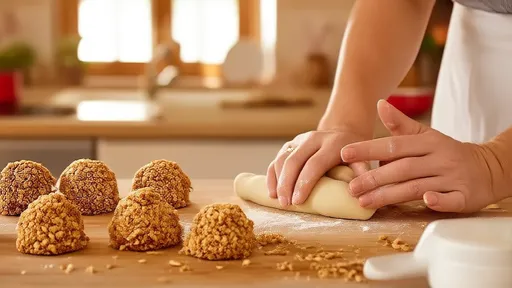
The marriage of rice cakes and spicy bread dough requires thoughtful assembly. Once the dough has completed its first rise and been punched down, the softened rice cake strips should be gently folded in during the shaping process. It's essential to distribute the rice cakes evenly without overworking the dough, which could deflate the carefully developed air pockets. Some bakers prefer to layer the rice cakes between rolled-out portions of dough, while others mix them directly into the dough before the final shaping. Both methods can yield excellent results, but the layered approach often creates more distinct textural contrasts between the soft bread and chewy rice cakes.
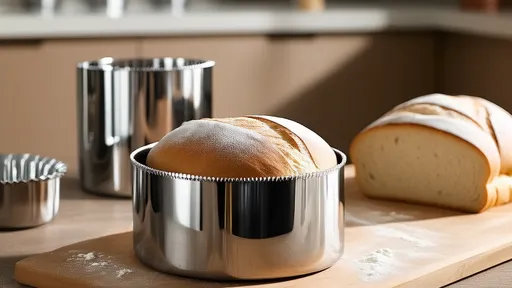
Baking temperature and time play pivotal roles in the success of this unique bread. The oven should be preheated to 350°F (175°C), slightly lower than standard bread baking temperatures, to accommodate the moisture from both the rice cakes and the spicy sauce. A baking time of 25 to 30 minutes typically suffices, but visual cues are more reliable than strict timing. The bread is done when it develops a rich golden-brown crust and sounds hollow when tapped on the bottom. Some bakers like to brush the top with additional spicy sauce during the last five minutes of baking to intensify the flavor and create an attractive glaze.
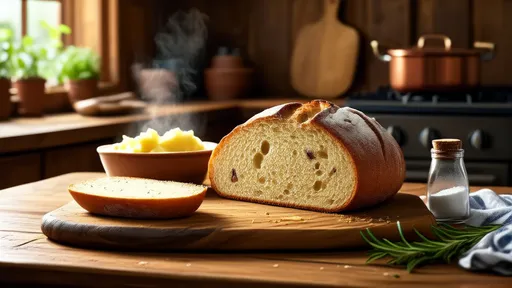
The final product should offer a delightful contrast of textures and flavors - the pillowy softness of the bread against the satisfying chew of rice cakes, all wrapped in a warm, spicy-sweet embrace. When sliced, the cross-section should reveal streaks of red sauce and pockets of rice cake distributed throughout the crumb. Serving suggestions include a light dusting of roasted sesame seeds or a drizzle of honey for those who prefer to temper the heat slightly. This innovative take on tteokbokki captures the essence of Korean street food while presenting it in an entirely new format that's perfect for sharing at gatherings or enjoying as a unique snack.
Experimentation and adaptation are encouraged when making this bread, as personal preferences for spice levels and texture can vary widely. Some bakers might choose to add cheese-filled rice cakes for an extra layer of indulgence, while others might incorporate vegetables like carrots or zucchini for added nutrition and color. The versatility of this recipe allows for countless variations, each offering its own delightful interpretation of the Korean classic. What remains constant is the need for patience and precision in preparing both the rice cakes and the dough, as these foundations determine the quality of the final product.
As Korean cuisine continues to gain global recognition, innovative fusions like spicy rice cake bread serve as delicious ambassadors of culinary creativity. This particular recipe exemplifies how traditional flavors can be reimagined in new forms while maintaining their soul-satisfying essence. Whether enjoyed warm from the oven or at room temperature, each bite delivers the comforting familiarity of tteokbokki with the universal appeal of freshly baked bread, creating a cross-cultural treat that transcends culinary boundaries.
By /Jun 19, 2025
By /Jun 19, 2025
By /Jun 19, 2025

By /Jun 19, 2025
By /Jun 19, 2025

By /Jun 19, 2025
By /Jun 19, 2025

By /Jun 19, 2025
By /Jun 19, 2025
By /Jun 19, 2025

By /Jun 19, 2025

By /Jun 19, 2025
By /Jun 19, 2025
By /Jun 19, 2025
By /Jun 19, 2025
By /Jun 19, 2025
By /Jun 18, 2025
By /Jun 18, 2025
By /Jun 18, 2025
By /Jun 18, 2025
