The art of crafting traditional Scottish shortbread is as much about precision as it is about tradition. Among the many variables that influence the final product, the interplay between chilled dough hardness and the pressure applied during scoring has remained a topic of both curiosity and debate among bakers. This delicate balance determines not only the aesthetic appeal of the biscuits but also their texture and structural integrity.
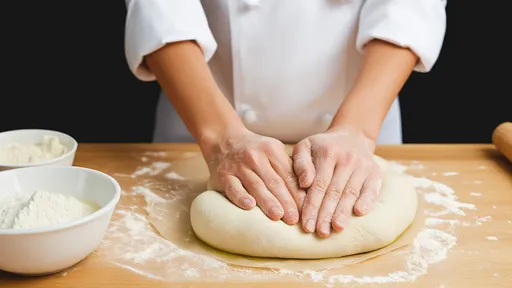
Scottish shortbread, with its rich history dating back to the 12th century, demands a meticulous approach. The dough, typically composed of butter, sugar, and flour, undergoes a critical chilling phase before scoring. This step is far from arbitrary; it ensures the butter solidifies, reducing spread during baking. However, the hardness of the dough at this stage presents a unique challenge. Too soft, and the intricate designs blur during baking. Too hard, and the blade may fracture the dough, leaving uneven edges or even causing the biscuit to crumble.
The tools used for scoring—whether traditional wooden molds, modern stamps, or simple knives—each respond differently to dough hardness. Experienced bakers often rely on tactile feedback, adjusting their pressure intuitively. A light touch glides smoothly through slightly softened dough, preserving fine details like thistle patterns or Celtic knots. In contrast, a firmer hand is required for deeply chilled dough, though excessive force risks compromising the design’s clarity. This nuanced interaction between tool and material is where craftsmanship shines.
Beyond aesthetics, the scoring process influences the biscuit’s texture. Shallow cuts made with gentle pressure yield a uniformly crisp bite, while deeper grooves—often requiring more force—create contrasting textures between the scored lines and the smoother surfaces. This duality is particularly prized in artisanal shortbread, where mouthfeel is as important as flavor. The science behind this is straightforward: deeper scores expose more surface area to heat, accelerating caramelization and creating subtle variations in crunch.
Seasoned bakers have long observed that environmental factors further complicate this equation. Kitchen temperature, humidity, and even the butter’s origin (Scottish butter, with its higher fat content, behaves differently from many commercial alternatives) can alter dough hardness unpredictably. Some advocate for a brief resting period after removing the dough from refrigeration, allowing the exterior to soften just enough for cleaner cuts. Others swear by working swiftly with ice-cold dough, treating it like a block of marble to be carved with deliberate strokes.
The choice of scoring tool also dictates technique. Metal blades, though precise, can drag if the dough is too hard, requiring more pressure that might crack delicate edges. Ceramic or wooden implements, while gentler, often need sharper edges to compensate for their inherent softness. This has led to a quiet innovation in bakeware: hybrid tools with tempered edges designed specifically for shortbread’s unique demands. These specialized instruments bridge the gap between traditional methods and modern consistency.
For home bakers attempting these techniques, patience proves essential. Unlike commercial operations with climate-controlled workspaces, domestic kitchens introduce variables that require adaptation. A simple test—pressing a fingertip lightly into the chilled dough to gauge resistance—can prevent mishaps. If the indentation holds without cracking, the dough is likely at an ideal state for scoring. This tactile approach, passed down through generations, remains more reliable than any timer or thermometer when it comes to perfecting the craft.
Ultimately, the marriage of dough hardness and scoring pressure encapsulates the soul of Scottish shortbread-making. It’s a dance between science and artistry, where each adjustment—whether a degree in temperature or an ounce of pressure—ripples through the final product. In an age of mechanized baking, this hands-on process preserves a connection to history, one perfectly scored biscuit at a time.
By /Jun 19, 2025
By /Jun 19, 2025
By /Jun 19, 2025

By /Jun 19, 2025
By /Jun 19, 2025

By /Jun 19, 2025
By /Jun 19, 2025
By /Jun 19, 2025
By /Jun 19, 2025
By /Jun 19, 2025
By /Jun 19, 2025

By /Jun 19, 2025
By /Jun 19, 2025
By /Jun 19, 2025
By /Jun 19, 2025
By /Jun 19, 2025
By /Jun 18, 2025
By /Jun 18, 2025
By /Jun 18, 2025
By /Jun 18, 2025
