Mexican Wedding Cookies: Sugar Coating Adjustment with Almond Flour Proportions

Jun 19, 2025 By

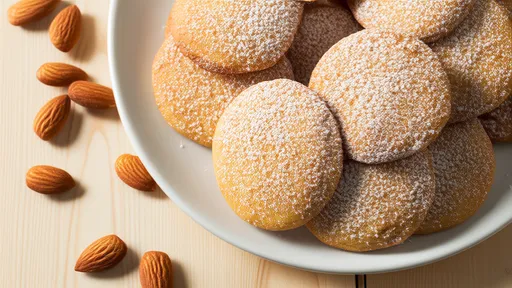
The delicate crumb of Mexican wedding cookies dissolves on the tongue like edible snowflakes, leaving behind a trail of nutty richness and powdered sugar sweetness. For generations, bakers have debated the finer points of these melt-in-your-mouth treats, particularly regarding the critical moment of sugar coating and the sacred almond-to-flour ratio. These aren't mere technicalities - they're the difference between cookie alchemy and kitchen disappointment.

Timing the Sugar Embrace

Watching an abuela roll golden cookie balls in powdered sugar is witnessing thermodynamics in delicious action. The window for perfect sugar adhesion lasts roughly 47 seconds after exiting the oven - long enough for surface oils to rise, but before the structure firms completely. Professional panadería kitchens often station two workers by the cooling racks with sugar bowls at the ready, creating a powdered sugar assembly line that would make Henry Ford proud.

Some pastry rebels advocate for a double-dip method: an initial coating with superfine sugar immediately after baking, followed by a second dusting of confectioners' sugar after cooling. This creates a crystalline undercoat that locks in moisture while providing a snowy exterior. The technique likely originated in Monterrey bakeries during the 1930s sugar shortage, when thrifty cooks stretched their sweet supplies.

Almond Alchemy

The almond flour ratio separates casual bakers from cookie shamans. Traditional recipes call for a 1:3 nut-to-flour ratio, but modern variations are pushing boundaries. Mexico City's famed Pastelería Ideal uses a controversial 1:2 ratio with toasted almonds ground between volcanic stone mills. Their cookies possess an almost marzipan-like density that divides opinion - adored by some, considered heretical by others.

Nutritionists note that increasing almond content boosts protein while reducing glycemic impact, making the cookies somewhat less sinful. But purists argue this misses the point entirely. As fourth-generation baker Luis Mendoza of Guadalajara puts it: "A wedding cookie should taste like celebration, not a nutrition label." His shop still uses his bisabuela's handwritten recipe specifying almonds from a single Jalisco orchard.

The Humidity Factor

Coastal bakeries face unique challenges. In Veracruz's muggy climate, many bakers substitute a portion of powdered sugar with tapioca starch to prevent the dreaded "sugar sweat." This adaptation creates a matte finish that some find visually disappointing but prevents the cookies from becoming sticky messes in tropical weather.

High-altitude cities like Toluca require opposite adjustments. The thin air causes faster moisture evaporation, prompting bakers to increase almond oil content slightly. This creates a more flexible dough that won't crack during baking. It's these micro-adjustments that separate good cookies from transcendent ones.

Modern Twists on Tradition

Contemporary chefs are reinventing the form while respecting its essence. Puebla's Elena Ramírez infuses her sugar coating with orange blossom water, a nod to colonial-era Arab influences. In Baja California, some experimental bakers are using blue corn flour with almond meal for a striking violet-gray crumb.

Perhaps most radical is the movement toward savory-sweet variations. Oaxacan chef Marco Antonio Sánchez caused a stir with his version featuring toasted chapulines (grasshoppers) in the almond mix, coated with chili-lime sugar. While not for everyone, these innovations prove the cookie's enduring capacity for reinvention.

The humble Mexican wedding cookie continues to evolve while maintaining its soul - a paradox of crisp fragility and robust flavor, of strict tradition and creative freedom. Whether dusted once or twice, nutty or neutral, these snowy orbs remain edible poetry of Mexican baking tradition.
Recommend Posts
Food

Strategies for Dealing with Sticky Dough: Oil-Hand Method and the Boundary of Flour for Anti-Adhesion

By /Jun 19, 2025

In the world of baking, few things are as frustrating as dealing with sticky dough that clings to your fingers like glue. Seasoned bakers have developed various techniques to handle this common issue, with the oiled hands method and flour dusting being two of the most popular approaches. However, finding the perfect balance between effective dough handling and maintaining the dough's integrity requires understanding the subtle art of quantity control.
Food

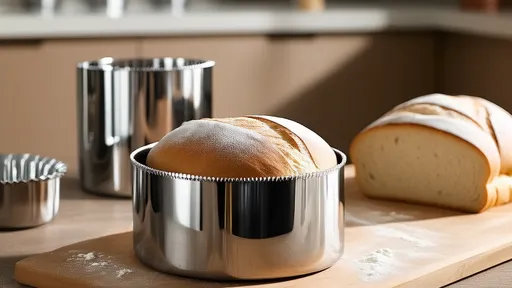
Adjustable Ring Mold Usage: Criteria for Bread Expansion and Unmolding Timing Judgment

By /Jun 19, 2025

The art of baking bread is as much a science as it is a craft, and nowhere is this more evident than in the use of adjustable ring molds. These versatile tools allow bakers to control the expansion of dough during proofing and baking, but mastering their use requires a deep understanding of how bread behaves at different stages. The relationship between dough expansion and the optimal timing for demolding is a delicate balance that separates good loaves from great ones.
Food

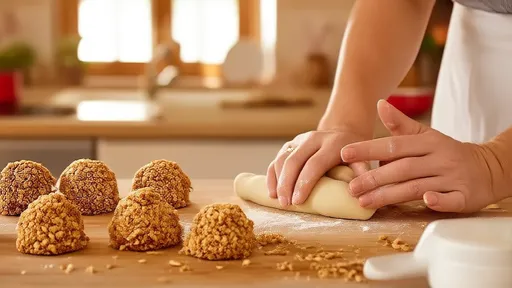
Austrian Snowball Cookie Shaping: Nut Crumb Particle Size and Dough Rounding Techniques

By /Jun 19, 2025

The art of crafting Austrian snowball cookies, known for their delicate crumb and nutty aroma, hinges on two often-overlooked factors: the precise granulometry of nut particulates and the nuanced hand techniques employed during dough rounding. These variables transform what might appear as simple ingredients into textural masterpieces that have graced Viennese coffeehouses for generations.
Food

Scottish Shortbread Cookie Pattern: Refrigerated Dough Firmness and Cutting Tool Pressure

By /Jun 19, 2025

The art of crafting traditional Scottish shortbread is as much about precision as it is about tradition. Among the many variables that influence the final product, the interplay between chilled dough hardness and the pressure applied during scoring has remained a topic of both curiosity and debate among bakers. This delicate balance determines not only the aesthetic appeal of the biscuits but also their texture and structural integrity.
Food

Swiss Potato Bread Moisture Retention: The Proportion of Cooked Mashed Potatoes and Refrigeration to Delay Hardening

By /Jun 19, 2025

The Swiss method of incorporating mashed potatoes into bread dough has long been regarded as a culinary secret for achieving unparalleled moisture retention. This technique, passed down through generations of Alpine bakers, hinges on the precise ratio of cooked potato to flour and the strategic use of refrigeration to delay starch retrogradation. Unlike conventional bread recipes that rely solely on hydration through water or milk, the potato method introduces a complex carbohydrate matrix that fundamentally alters the bread's texture and shelf life.
Food

Baking Sugar Substitute Guide: Conversion of Erythritol and Monk Fruit Sugar

By /Jun 19, 2025

In the world of baking, sugar substitutes have become increasingly popular as people seek healthier alternatives without sacrificing sweetness. Among the myriad options available, erythritol and monk fruit sweetener have emerged as two of the most favored choices. Understanding how to properly substitute these sweeteners in recipes is crucial for achieving the desired taste and texture in baked goods.
Food

Mexican Wedding Cookies: Sugar Coating Adjustment with Almond Flour Proportions

By /Jun 19, 2025

The delicate crumb of Mexican wedding cookies dissolves on the tongue like edible snowflakes, leaving behind a trail of nutty richness and powdered sugar sweetness. For generations, bakers have debated the finer points of these melt-in-your-mouth treats, particularly regarding the critical moment of sugar coating and the sacred almond-to-flour ratio. These aren't mere technicalities - they're the difference between cookie alchemy and kitchen disappointment.
Food

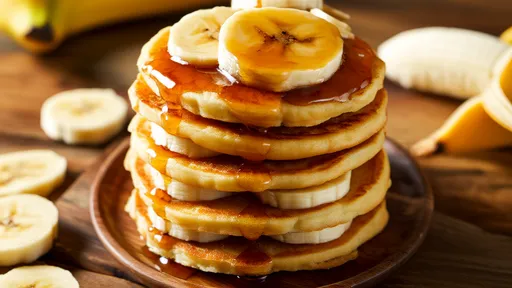
Caramelized Banana Crepes Mille-Feuille: Techniques for Banana Caramelization and Crepe Layering

By /Jun 19, 2025

The art of crafting a perfect caramelized banana crepe mille-feuille lies in the delicate balance between technique and intuition. This sophisticated dessert combines the crisp elegance of French pastry with the comforting warmth of caramelized fruit, creating layers of texture and flavor that dance across the palate. Unlike traditional mille-feuille that relies on puff pastry, this interpretation uses paper-thin crepes as its foundation, allowing the caramelized bananas to truly shine as the star ingredient.
Food

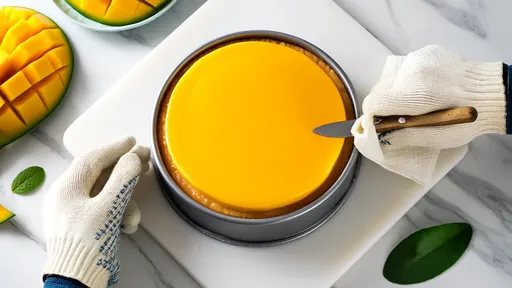
Mango Mousse Demolding Guide: Complete Steps of Hot Towel Wrapping and Knife Edge Circling

By /Jun 19, 2025

Mastering the art of unmolding a mango mousse can be the difference between a stunning dessert centerpiece and a kitchen disaster. While the process may seem straightforward, the delicate nature of mousse demands careful attention to technique. Two methods stand out in professional kitchens: the warm towel method and the knife-edge technique. Both approaches require patience and precision, but when executed properly, they yield flawless results that will impress even the most discerning guests.
Food

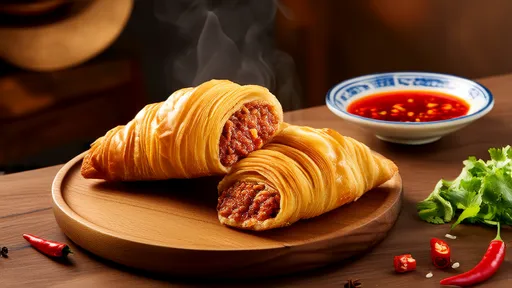
Sichuan-Flavored Croissant Innovation: Pairing Sichuan Peppercorn Butter with Spicy Beef Filling in Puff Pastry

By /Jun 19, 2025

The culinary world thrives on innovation, and few things excite chefs and food enthusiasts more than the unexpected marriage of flavors and techniques. One such bold experiment gaining traction is the reinvention of the classic French croissant with fiery Sichuan influences. The result? A flaky, buttery pastry that packs a punch—combining the delicate layers of a traditional croissant with the numbing heat of Sichuan peppercorns and the savory depth of spicy beef.
Food

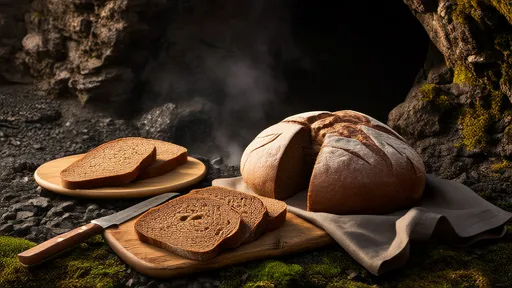
Icelandic Rye Bread Underground Baking: Geothermal Pit Simulation and Long-term Low-temperature Fermentation Techniques

By /Jun 19, 2025

In the volcanic landscapes of Iceland, where steam rises from fissures in the earth and geothermal energy powers daily life, a centuries-old baking tradition continues to thrive. Icelandic rye bread, known as rúgbrauð, is unlike any other loaf in the world. What makes it truly unique is not just its dense, sweet flavor but the method by which it’s traditionally baked: underground, using the island’s natural geothermal heat. This ancient technique, passed down through generations, has recently captured the attention of bakers and food enthusiasts globally, sparking a revival of interest in this slow, earth-cooked delicacy.
Food

Hawaiian Malasada Dough Fermentation Humidity and Oil Absorption Prevention Techniques in Frying

By /Jun 19, 2025

The golden, pillowy Malasada doughnut stands as one of Hawaii’s most beloved culinary treasures. A legacy of Portuguese immigrants, these deep-fried delights have become synonymous with island comfort food. Yet behind their seemingly simple exterior lies a delicate science—particularly in managing dough hydration during fermentation and mastering oil absorption during frying. These two factors make or break the texture, flavor, and overall quality of Malasadas.
Food

Layered Osmanthus Cake: Precise Control of Rice Paste Sieving and Layer Solidification Time

By /Jun 19, 2025

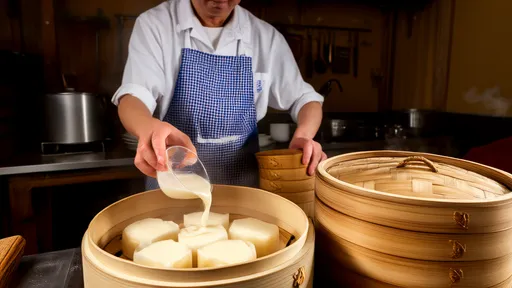
The art of crafting layered osmanthus cakes, a beloved traditional Chinese dessert, demands precision and patience. Unlike Western baking methods that rely on ovens, this delicate steamed confection requires mastery over two critical elements: the silk-screening of rice slurry and the exact timing between layer applications. When executed properly, the result is a translucent, jade-like dessert with floral fragrance permeating through distinct, perfectly separated strata.
Food

Repairing Cracks in New York Cheesecake: Water Bath Method - Water Level and Timing for Cooling and Demolding

By /Jun 19, 2025

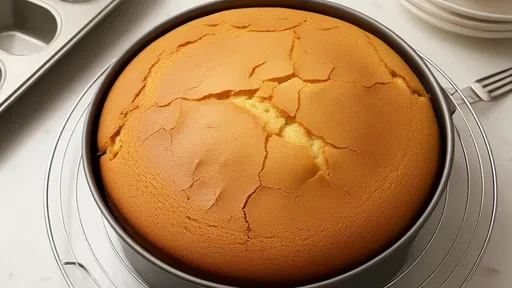
The New York cheesecake, with its rich, creamy texture and delicate crumb, has long been a favorite among dessert enthusiasts. However, even the most experienced bakers occasionally encounter the dreaded surface cracks that can mar an otherwise perfect cake. Among the various techniques to prevent this, the water bath method stands out as particularly effective. Yet, mastering this method requires careful attention to both the amount of water used and the timing of cooling and unmolding.
Food

Authentic Mexican Salsa: Roasted Tomatoes and Chopped Chili Seasoning Ratio

By /Jun 19, 2025

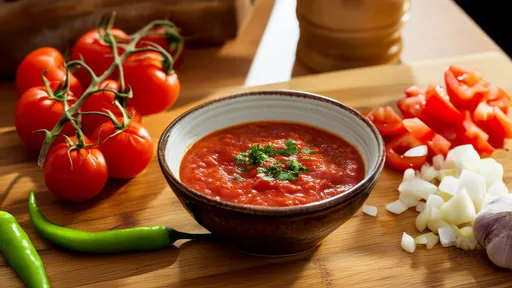
The art of crafting authentic Mexican salsa is a tradition passed down through generations, with each family guarding their secret ratios and techniques like precious heirlooms. At the heart of this vibrant culinary tradition lies the perfect balance between roasted tomatoes and freshly chopped chilies - a dance of smoke and fire that separates truly remarkable salsas from mediocre imitations.
Food

Handmade Argentine Chimichurri Sauce: The Art of Chopping and Emulsifying with Parsley, Garlic, and Red Vinegar

By /Jun 19, 2025

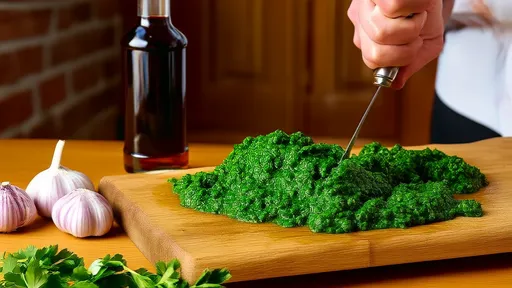
In the heart of Argentine cuisine, few condiments carry the cultural weight and vibrant flavor of chimichurri. This emerald-green sauce, often drizzled over grilled meats, is a symphony of fresh parsley, pungent garlic, and tangy red wine vinegar. But what separates an ordinary chimichurri from an extraordinary one lies in the ancient technique of hand-chopping and emulsification—a ritual that transforms humble ingredients into something transcendent.
Food

Korean Spicy Rice Cake Bread Making: Techniques for Softening Rice Cake Strips and Mixing with Chili Dough

By /Jun 18, 2025

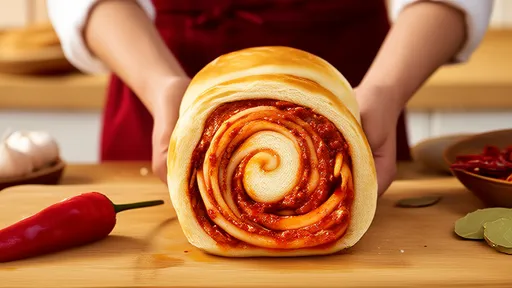
The art of crafting Korean spicy rice cake bread, or tteokbokki bread, lies in the delicate balance between the softness of the rice cake strips and the harmonious integration of the spicy sauce into the dough. This fusion dish, which marries the chewiness of traditional tteokbokki with the fluffy texture of bread, has gained immense popularity among food enthusiasts seeking a creative twist on classic flavors. Mastering this recipe requires attention to two critical elements: achieving the ideal tenderness in the rice cake strips and perfecting the technique of kneading the spicy sauce into the bread dough.
Food

Adjustment of Yunnan Rose Flower Cake Flaky Crust: Proportion of Lard and Prevention of Water Leakage in Edible Rose Filling

By /Jun 18, 2025

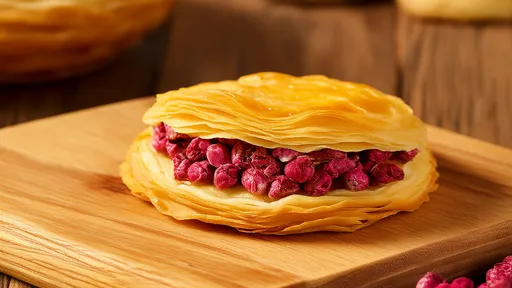
The delicate balance between flaky pastry and moist filling in Yunnan rose flower cakes has long been a subject of both tradition and innovation. Among the many factors that contribute to the perfect bite, the ratio of lard in the pastry and the moisture control of edible rose petals stand out as critical elements that separate mediocre pastries from exceptional ones. These two components, seemingly simple in nature, require precise execution and understanding to achieve that signature texture and flavor Yunnan rose cakes are famous for.
Food

Thai Milk Tea Macarons: Tea Powder Coloring and Coconut Milk Ganache Filling Ratio

By /Jun 18, 2025

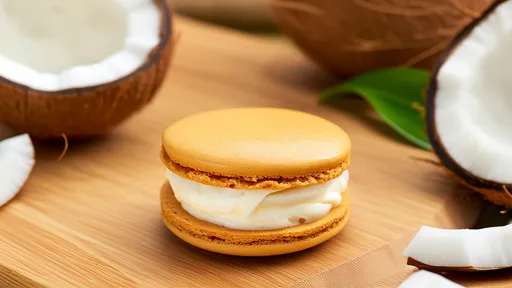
The vibrant orange hue of Thai milk tea has become iconic in beverage culture, but its transition into the delicate world of macarons presents both challenges and opportunities for pastry chefs. Unlike artificial food colorings that deliver consistent results, working with tea powder as both flavoring and coloring agent requires precise technique and understanding of how these natural pigments behave in different pH environments. When ground Thai tea leaves meet the almond flour-sugar foundation of macaron shells, they impart not just color but subtle tannic notes that balance the sweetness.
Food

Temperature Difference Between San Neng Gold Pan and Ordinary Baking Pan: Cake Baking Time Adjustment Comparison Table

By /Jun 18, 2025

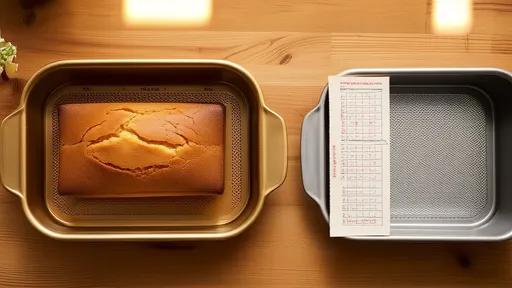
Professional bakers know that even minor variations in bakeware can dramatically impact baking results. The temperature differential between three-energy golden pans and standard baking pans represents one of those crucial variables that requires careful adjustment of baking times. This comprehensive guide explores the practical implications of these thermal differences for cake baking, providing actionable insights for achieving perfect results with either type of pan.