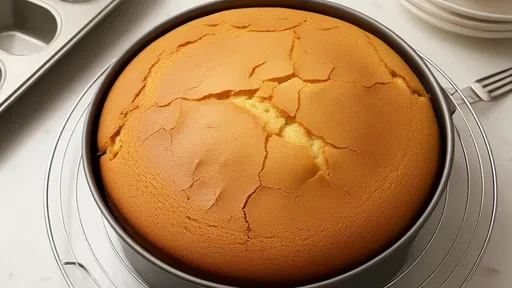
The New York cheesecake, with its rich, creamy texture and delicate crumb, has long been a favorite among dessert enthusiasts. However, even the most experienced bakers occasionally encounter the dreaded surface cracks that can mar an otherwise perfect cake. Among the various techniques to prevent this, the water bath method stands out as particularly effective. Yet, mastering this method requires careful attention to both the amount of water used and the timing of cooling and unmolding.
The Science Behind the Water Bath
A water bath, or bain-marie, creates a gentle, even heat that surrounds the cheesecake as it bakes. This controlled environment minimizes the risk of rapid temperature changes, which are often the culprit behind surface cracks. The steam generated by the water bath also helps maintain moisture, preventing the cheesecake from drying out and shrinking too quickly as it cools. However, the amount of water used is critical—too little, and the bath won’t provide sufficient insulation; too much, and the risk of water seeping into the springform pan increases.
Most recipes recommend filling the water bath to about halfway up the sides of the cake pan. This ensures enough steam is produced without submerging the pan’s base. Some bakers go a step further by wrapping the outside of the springform pan with aluminum foil to create an additional barrier against leaks. The key is to strike a balance: enough water to sustain steam throughout the baking process but not so much that it becomes a hazard.
The Art of Cooling and Unmolding
Once the cheesecake is baked, the next critical phase begins: cooling. Rushing this step is a common mistake that leads to cracks. The gradual reduction in temperature allows the cake’s structure to set evenly, preventing stress fractures. Many professional bakers advocate for a multi-stage cooling process. First, the oven door is slightly cracked open, letting the cheesecake acclimatize to the lower temperature for about an hour. Then, it’s transferred to a wire rack to cool completely at room temperature.
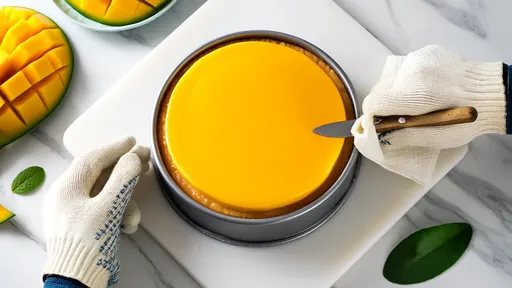
Unmolding too soon can be just as damaging as rapid cooling. The cheesecake needs time to contract slightly away from the pan’s sides, making it easier to release without sticking or breaking. Running a thin, warm knife around the edges before releasing the springform clasp helps, but only if the cake has cooled sufficiently. For best results, some bakers even refrigerate the cheesecake for several hours or overnight before attempting to unmold it. This extra patience pays off in a flawless presentation.
Troubleshooting Common Issues
Despite meticulous attention to detail, cracks can still appear. If they do, all is not lost. A simple fix involves using a warm offset spatula to smooth the surface gently. Alternatively, a topping—such as a sour cream layer or fresh fruit compote—can disguise minor imperfections while adding flavor and visual appeal. Understanding the root cause of cracks, whether from overmixing the batter, oven temperature fluctuations, or improper cooling, helps bakers refine their technique for future attempts.
The journey to a crack-free New York cheesecake is as much about precision as it is about patience. By carefully managing the water bath’s volume and respecting the cooling and unmolding timeline, bakers can achieve that coveted smooth, creamy finish. Each step, from measuring the water to resisting the urge to peek at the cooling cake, contributes to a dessert that’s as beautiful as it is delicious.
By /Jun 19, 2025
By /Jun 19, 2025
By /Jun 19, 2025

By /Jun 19, 2025
By /Jun 19, 2025

By /Jun 19, 2025
By /Jun 19, 2025
By /Jun 19, 2025
By /Jun 19, 2025

By /Jun 19, 2025

By /Jun 19, 2025

By /Jun 19, 2025
By /Jun 19, 2025
By /Jun 19, 2025

By /Jun 19, 2025
By /Jun 19, 2025
By /Jun 18, 2025
By /Jun 18, 2025
By /Jun 18, 2025
By /Jun 18, 2025
