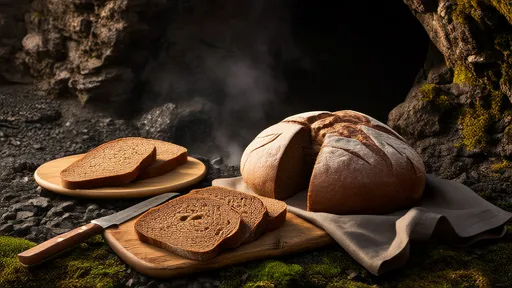
In the volcanic landscapes of Iceland, where steam rises from fissures in the earth and geothermal energy powers daily life, a centuries-old baking tradition continues to thrive. Icelandic rye bread, known as rúgbrauð, is unlike any other loaf in the world. What makes it truly unique is not just its dense, sweet flavor but the method by which it’s traditionally baked: underground, using the island’s natural geothermal heat. This ancient technique, passed down through generations, has recently captured the attention of bakers and food enthusiasts globally, sparking a revival of interest in this slow, earth-cooked delicacy.
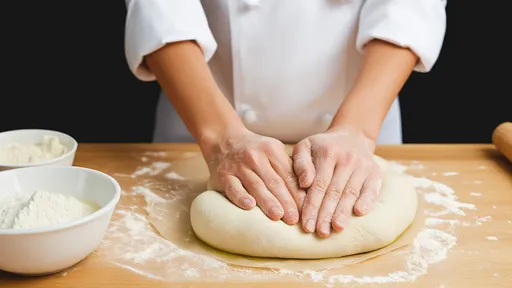
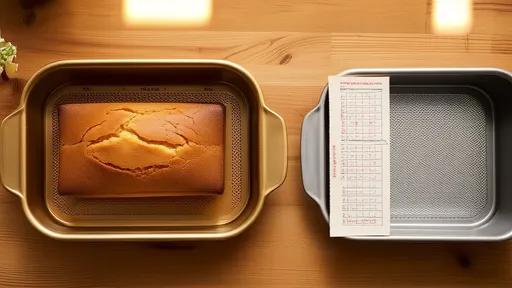
The process begins with a simple mixture of rye flour, water, salt, and sometimes a touch of sugar or molasses for sweetness. But the magic lies in the fermentation and cooking. Unlike conventional bread, which relies on yeast or sourdough starters for leavening, Icelandic rye bread undergoes a long, slow fermentation—often lasting up to 24 hours—before it’s placed in a pot and buried near a hot spring or geothermal vent. The dough bakes gently in the steady, low heat (around 100°C or 212°F) for up to 12 hours, resulting in a moist, cake-like texture with a deep, caramelized crust.
Modern bakers outside Iceland have begun experimenting with ways to replicate this process without access to volcanic terrain. Some use slow cookers or ovens set to very low temperatures, while others have built DIY geothermal pits in their backyards, lining them with insulating materials and heating elements to mimic the natural heat sources of Iceland. The key, as many discover, is patience. The long fermentation allows the rye’s starches to break down slowly, developing complex flavors and a subtle sweetness that can’t be rushed.
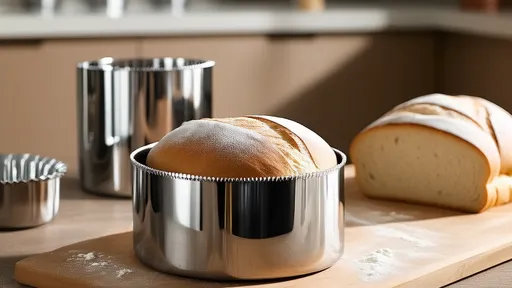
One of the most fascinating aspects of this bread is its connection to Iceland’s history and environment. For centuries, geothermal baking was not just a culinary choice but a practical one. In a land where firewood was scarce and ovens were a luxury, the earth itself became an oven. Families would prepare the dough, place it in a lidded pot, and bury it near a hot spring overnight. By morning, they’d have a loaf that could last for weeks—a vital staple during Iceland’s harsh winters. Today, this method is a symbol of resilience and ingenuity, a testament to how humans have adapted to their surroundings.
For those attempting to bake rúgbrauð at home, experts recommend paying close attention to the dough’s hydration and fermentation time. Rye flour absorbs water differently than wheat, and the lack of gluten means the bread won’t rise dramatically. Instead, the goal is a dense, moist crumb with a rich flavor. Some bakers add a small amount of baking powder to aid in leavening, though purists argue this deviates from tradition. The slow, low-temperature bake is non-negotiable, however; it’s what gives the bread its distinctive texture and prevents it from drying out.
Beyond its culinary appeal, Icelandic rye bread has also become a case study in sustainable cooking. Geothermal energy is clean, renewable, and abundant in Iceland, and the underground baking method requires no electricity or fossil fuels. As the world seeks ways to reduce carbon footprints, this ancient technique offers inspiration. Could similar methods be adapted elsewhere? Some researchers are exploring how geothermal heat might be harnessed for other slow-cooked dishes, from stews to desserts.
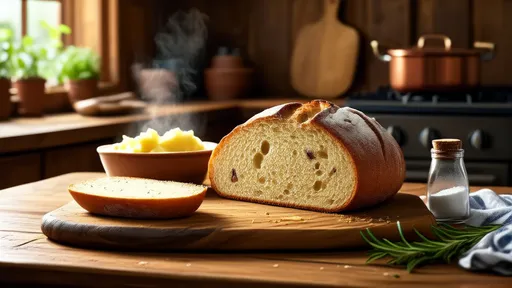
In Reykjavik, a handful of bakeries and restaurants now offer rúgbrauð made the traditional way, often serving it with smoked lamb or butter. For visitors, tasting this bread is more than a culinary experience—it’s a bite of history. And for bakers around the world, the challenge of recreating it has become a passion. Whether baked in a geothermal pit or a modern kitchen, Icelandic rye bread stands as a reminder that some of the best flavors come from working with nature, not against it.
The revival of this ancient practice also raises questions about how other forgotten food traditions might be rediscovered and adapted for contemporary kitchens. In an era of fast food and instant gratification, the slow, deliberate process of making rúgbrauð feels almost revolutionary. It demands time, respect for ingredients, and a connection to the earth—qualities that many modern cooks are now seeking to reclaim.
By /Jun 19, 2025
By /Jun 19, 2025
By /Jun 19, 2025

By /Jun 19, 2025
By /Jun 19, 2025

By /Jun 19, 2025
By /Jun 19, 2025

By /Jun 19, 2025
By /Jun 19, 2025
By /Jun 19, 2025
By /Jun 19, 2025

By /Jun 19, 2025
By /Jun 19, 2025
By /Jun 19, 2025
By /Jun 19, 2025
By /Jun 19, 2025

By /Jun 18, 2025
By /Jun 18, 2025
By /Jun 18, 2025
By /Jun 18, 2025
